
Art therapy severe depression offers a gentle and powerful way to express emotions, especially for people who find it difficult to put their feelings into words. During severe depression, many individuals feel emotionally numb, disconnected, or overwhelmed, making verbal communication exhausting or impossible.
In such situations, creative therapy for depression—such as art and music therapy—becomes an important form of emotional support. These therapies allow emotions to be expressed without speaking, helping release built-up emotional tension in a safe and calming way. Unlike traditional talk-based approaches, creative therapies work at a softer pace and feel less overwhelming. While they do not replace medical or psychological treatment, they are effective healing tools for depression when used alongside professional care.(WHO Stress Report 2025)
Art Therapy for Severe Depression: Expressing Emotions Beyond Words
Art therapy severe depression is a powerful approach that helps individuals express emotions that are difficult to put into words. For those experiencing severe depression, traditional talk therapy may not fully capture inner feelings, making art therapy severe depression an essential complement to standard treatments. Through activities like painting, drawing, or sculpting, participants can release emotional tension, process stress, and improve self-awareness. Using art therapy severe depression consistently as part of a recovery plan can support emotional resilience, provide a safe outlet for difficult thoughts, and enhance overall mental well-being. This method allows people to communicate their feelings visually, promoting healing in ways words often cannot achieve.
Quick Tip: Start small — even 5 minutes of music or drawing can help reduce emotional pressure.
How Art Therapy Supports Emotional Healing
Art therapy supports emotional healing by calming the nervous system and lowering mental overload. The creative process creates a sense of focus, helping people stay present instead of feeling trapped in negative thoughts. It also provides a sense of control at a time when life may feel unpredictable.
Creating something physical can restore confidence and self-worth. For individuals with severe depression, even small creative actions can create moments of relief and emotional clarity.
Many people report feeling emotionally lighter after art therapy sessions, even if they cannot clearly explain the change. This emotional release plays an important role in long-term recovery.
Simple Art Therapy Activities You Can Try
- Free drawing without rules or expectations
- Coloring mandalas or repetitive patterns
- Clay shaping or simple sculpting
- Painting emotions using only colors and strokes
These gentle practices are effective alternative treatments for depression that help reduce emotional pressure and reconnect individuals with their inner world.
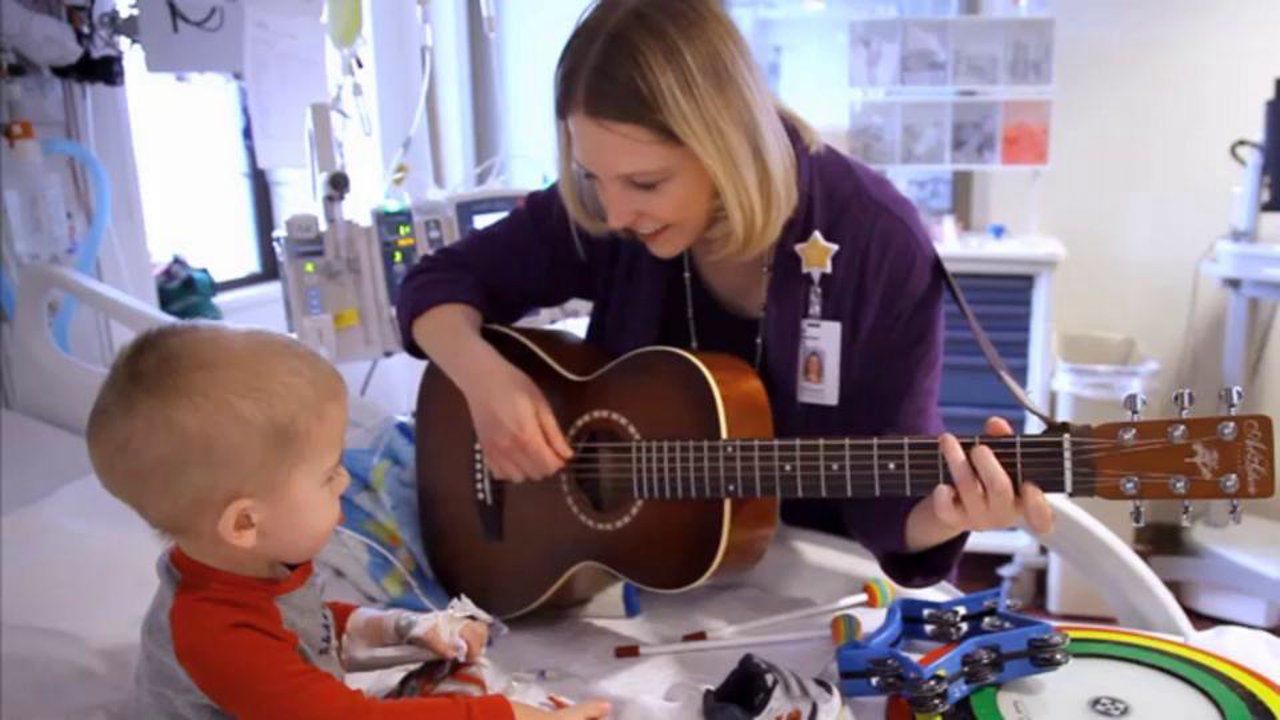
Music Therapy for Depression: Healing Through Sound
Music therapy depression is a creative approach that helps individuals process emotions, reduce stress, and improve mood. For those experiencing music therapy depression, listening to, creating, or performing music can provide a safe and therapeutic outlet for feelings that are hard to express verbally. Studies show that incorporating music therapy depression into a treatment plan can help lower anxiety, lift mood, and promote emotional resilience. This method works by stimulating brain regions involved in emotion and reward, offering an accessible way to support mental health alongside professional care. Regular engagement in music therapy depression activities can make recovery feel more manageable and restore a sense of connection and balance.
Why Music Helps the Depressed Brain
Music stimulates the release of dopamine and serotonin, chemicals that play a key role in mood regulation. These neurotransmitters are often imbalanced during depression. Slow and calming music helps reduce anxiety, while uplifting music can gently improve energy levels.
Music also helps individuals feel understood. Lyrics often express emotions that people struggle to describe, reducing feelings of isolation.
Types of Music Therapy Activities
- Listening to calming or meaningful music
- Writing simple lyrics or emotional notes
- Playing instruments casually, even without experience
- Guided music-based relaxation or meditation
These activities serve as powerful healing tools for depression, especially during periods of emotional shutdown.
Quick Tip 1: Focus on expression, not results. Emotional release matters more than creativ
Creative Therapy for Depression: A Safe Emotional Outlet
Creative therapy depression provides a gentle and effective way to express emotions that are difficult to verbalize. For people experiencing creative therapy depression, activities like painting, drawing, sculpting, or even music composition offer a safe outlet to process feelings of sadness, stress, or anxiety. Research shows that creative therapy depression can reduce emotional tension, enhance mood, and strengthen coping mechanisms. By engaging in these activities regularly, individuals can explore their inner world, build emotional resilience, and complement other treatments such as counseling or medication. Creative therapies not only support mental health but also foster a sense of accomplishment and self-expression, making recovery from severe depression more manageable.
Emotional Benefits of Creative Expression
Creative expression helps reduce emotional tension and mental exhaustion. It also reintroduces feelings of curiosity, pleasure, and self-expression, which are often lost during depressive episodes.
Over time, creative therapy improves emotional awareness and mood stability. It encourages individuals to observe emotions without judgment, which supports emotional regulation.

Healing Tools for Depression That Support Long-Term Recovery
Using healing tools depression can be a powerful way to manage symptoms and support recovery over time. These tools include art therapy severe depression, music therapy depression, and other alternative treatments depression that help individuals express emotions safely and constructively. Regular engagement with healing tools depression allows people to reduce stress, process difficult feelings, and build coping skills that last. When combined with professional therapy, medication, or lifestyle changes, these tools create a holistic approach to mental wellness. By incorporating healing tools depression into daily routines, individuals can foster emotional resilience, improve mood, and maintain long-term mental health stability.
Healing tools for depression, such as art and music therapy, help to:
- Reduce emotional numbness
- Improve focus and relaxation
- Support emotional processing
- Strengthen self-connection
These benefits make creative therapy an important part of long-term depression recovery when combined with professional treatment.
Alternative Treatments for Depression That Complement Professional Care
Alternative treatments for depression, including creative therapies, work best as part of a balanced recovery plan. They do not replace medication or therapy but strengthen emotional resilience.
Mental health professionals often recommend creative therapies for individuals who:
- Struggle to express emotions verbally
- Feel overwhelmed by traditional therapy
- Experience emotional shutdown or numbness
Creative approaches help rebuild emotional safety and trust gradually, making other forms of treatment more effective.
How Art and Music Therapy Help in Severe Depression Recovery
Severe depression often affects motivation, energy, and concentration. Creative therapy respects these limitations. Even small actions, such as listening to music or holding a pencil, can be meaningful.
Short creative sessions reduce pressure and prevent burnout. Over time, consistent creative engagement strengthens emotional resilience and improves emotional regulation.
Real-Life Impact of Creative Therapies
Many individuals report improved sleep, reduced anxiety, and a stronger emotional connection with themselves after regular creative therapy sessions. These positive changes support overall recovery and mental stability.
Combining Creative Therapy with Other Treatments
Art and music therapy are most effective when combined with:
Professional counseling or psychotherapy
Medication, if prescribed
Healthy daily routines
Emotional and social support
This integrated approach reduces relapse risk and improves long-term recovery outcomes.
When Creative Therapy May Be Especially Helpful
Creative therapy may be particularly beneficial if:
- Talking about emotions feels too difficult
- Emotions feel blocked or overwhelming
- Traditional therapy feels intimidating
- Gentle emotional support is needed
These therapies meet people where they are emotionally and support healing without pressure.
Conclusion: Healing Beyond Words Through Creativity
Art and music therapy provide meaningful support for people living with severe depression. These creative approaches allow emotions to surface naturally, calm the mind, and restore emotional connection when words feel unavailable.
When combined with professional care, creative therapy for depression becomes a powerful pathway toward healing, emotional balance, and long-term recovery.
FAQs About Art and Music Therapy for Severe Depression
Can art therapy really help severe depression?
Yes. Art therapy for severe depression helps release emotions, reduce stress, and improve emotional awareness, especially when verbal expression feels impossible.
Is music therapy effective for depression?
Music therapy for depression has been shown to reduce anxiety, improve mood, and support emotional healing through sound and rhythm.
Do I need talent for creative therapy?
No. Creative therapy focuses on expression, not artistic skill. Anyone can benefit regardless of experience.
Are creative therapies safe for severe depression?
Yes. They are safe when guided by professionals or used alongside proper medical care.
Can creative therapy replace medication?
No. These are alternative treatments for depression meant to support, not replace, professional treatment.