
One of the most common and emotionally charged questions people ask is: can major depression be cured, or is it something they must live with forever? Major depression affects millions of people worldwide and often feels overwhelming, especially when symptoms last for months or years.
Modern psychology and medical science offer hopeful answers. According to ongoing depression recovery research, major depression is not a life sentence. While it may not always have a permanent, once-and-for-all cure, many people achieve full remission and live long periods without symptoms. Others learn effective ways to manage depression and prevent relapse. Understanding what research says about recovery, treatment outcomes, and long-term healing can help reduce fear and build confidence in the recovery process.
Understanding Major Depression and Why It Feels So Persistent
Major depression is more than temporary sadness. It affects emotional health, thinking patterns, physical energy, and daily functioning. People with major depression often experience:
- Persistent low mood or emptiness
- Loss of interest in activities
- Fatigue and lack of motivation
- Sleep and appetite changes
- Difficulty concentrating
- Feelings of guilt or worthlessness
Because symptoms affect many areas of life, people often wonder is depression curable, or whether it will always return.
Quick Tip: If depressive symptoms last longer than two weeks, don’t wait. Early treatment leads to faster recovery and better long-term outcomes.
Can Major Depression Be Cured According to Scientific Research?
So, can major depression be cured according to research? The honest, evidence-based answer is encouraging.
Studies show that:
- Around 70–80% of people respond positively to treatment
- Many achieve complete symptom remission
- Others experience long-term stability with proper management
Mental health professionals now view depression as a treatable condition, similar to diabetes or high blood pressure. With the right approach, symptoms can disappear for long periods or remain very mild.
Research confirms that recovery is realistic, especially when treatment starts early and continues consistently.

Is Depression Curable or a Lifelong Condition?
The idea that depression is always lifelong is outdated. While some people experience recurring episodes, many recover fully.
Is depression curable?
For many individuals, yes — especially with early treatment, strong support, and healthy coping strategies.
For others, depression may require long-term management. This does not mean failure. It simply means the brain needs ongoing care, just like any other chronic health condition.(WHO Stress Report 2025).
What Is the Cure for Major Depression? A Realistic View
There is no single cure for major depression that works for everyone. Instead, recovery usually involves a personalized treatment plan.
The most effective cure for major depression often includes:
- Psychological therapy
- Medication when needed
- Lifestyle and routine changes
- Emotional and social support
This combined approach consistently shows the best treatment outcome depression research highlights.
Treatment Options That Improve Depression Recovery Outcomes
Therapy and Counseling
Therapy helps people understand negative thought patterns, emotional triggers, and coping skills. Cognitive Behavioral Therapy (CBT) and interpersonal therapy are especially effective.
Medication Support
Antidepressants can help balance brain chemistry, especially in moderate to severe depression. Medication does not change who you are — it helps stabilize mood so healing can begin.
Lifestyle Changes
Exercise, sleep routines, nutrition, and stress reduction play a major role in recovery. Small daily habits often produce long-term emotional stability.
Social and Emotional Support
Connection with friends, family, or support groups reduces isolation and improves motivation during recovery.
For more daily wellness habits, visit our guide
Depression Recovery Research: What Long-Term Studies Reveal
Recent depression recovery research provides hopeful findings:
- Early treatment shortens recovery time
- Combination treatment works better than one method alone
- Relapse rates decrease with continued support
- Lifestyle habits strongly affect emotional resilience
Research also shows that people who stay engaged in care experience better quality of life and fewer future episodes.
Quick Tip: Recovery is not linear. Progress may feel slow, but small improvements over time add up to lasting emotional stability.
What Influences Treatment Outcome Depression Results?
Not everyone recovers at the same pace. Several factors affect treatment outcome depression results:
- Severity of symptoms
- Duration before treatment begins
- Consistency with therapy or medication
- Stress levels and daily routines
- Emotional support system
Positive outcomes are more likely when treatment is personalized and followed consistently.
Can Major Depression Return After Recovery?
Yes, depression can return — but this does not mean recovery failed. Many people experience temporary setbacks during stressful life events.
Early warning signs include:
- Low mood lasting more than two weeks
- Sleep or appetite disruption
- Loss of interest or motivation
Recognizing these signs early allows quick intervention and prevents symptoms from worsening.
Can Depression Be Managed Without Medication?
Some people with mild or situational depression recover through:
- Therapy
- Lifestyle changes
- Stress management
- Social connection
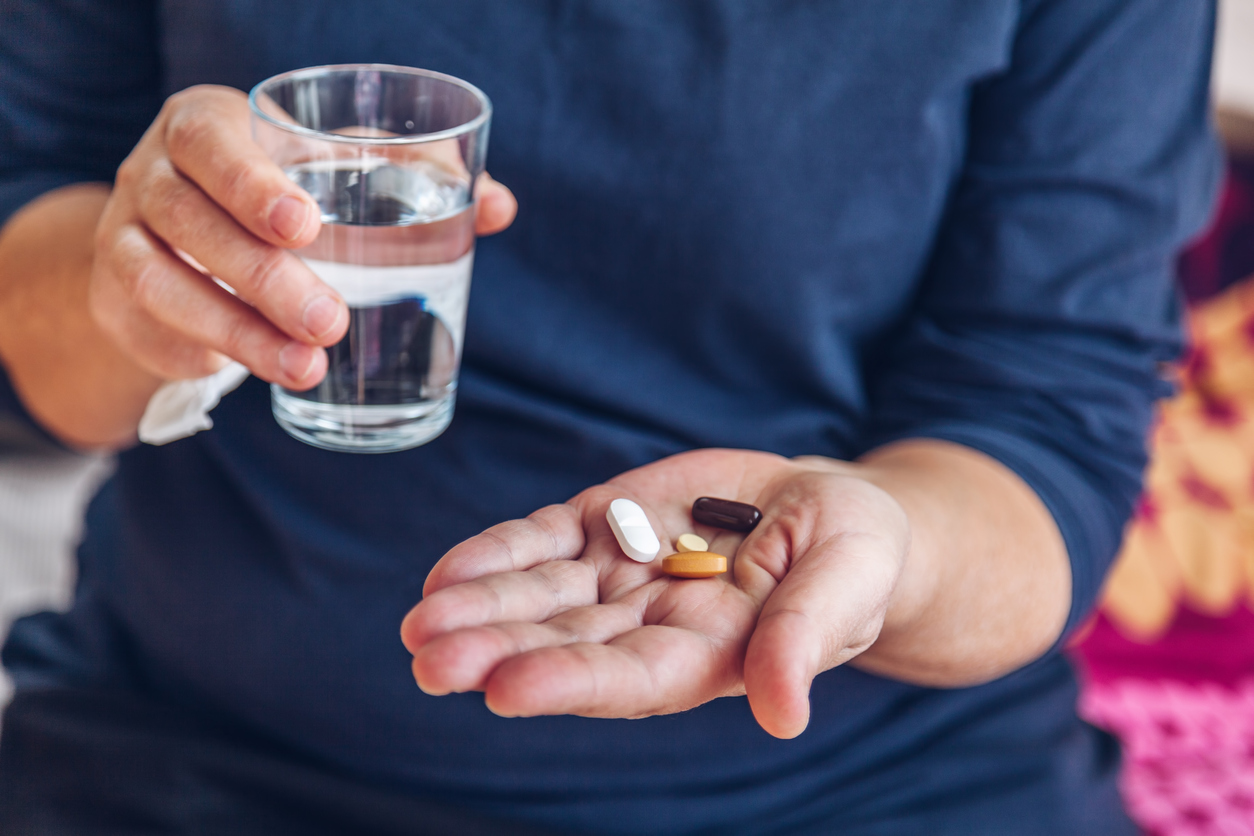
However, for moderate to severe cases, medication may be necessary. The goal is stability, not dependence.
Choosing medication is a medical decision, not a personal weakness.
The Role of Self-Awareness in Long-Term Recovery
Self-awareness helps people:
- Recognize emotional triggers
- Identify early relapse signs
- Maintain healthy routines
- Ask for help before symptoms worsen
Recovery improves when people actively participate in their mental health care.
Hope, Healing, and Realistic Expectations
Recovery from major depression does not mean never feeling sad again. It means:
- Emotional balance
- Improved daily functioning
- Better coping skills
- Reduced intensity of symptoms
Many people go on to build meaningful, fulfilling lives after depression.
Conclusion: Can Major Depression Be Cured?
So, can major depression be cured? Research clearly shows that while depression may not always disappear permanently for everyone, long-term recovery and remission are absolutely possible.
Modern treatment methods, combined with self-care and emotional support, allow many people to regain control of their lives. Depression does not define your future. With the right approach, healing is realistic and achievable.
FAQs: Can Major Depression Be Cured?
Can major depression be cured completely?
Many people experience full remission. Others manage symptoms successfully long-term.
Is depression curable without medication?
Some cases improve without medication, but moderate to severe depression often benefits from medical support.
How long does recovery usually take?
Recovery time varies from weeks to months. Consistency is more important than speed.
What improves treatment outcome depression the most?
Early diagnosis, therapy, lifestyle habits, and emotional support.
Can depression come back after recovery?
Yes, but early action can prevent full relapse.
Is major depression lifelong?
Not always. Many people recover fully or experience long symptom-free periods.