
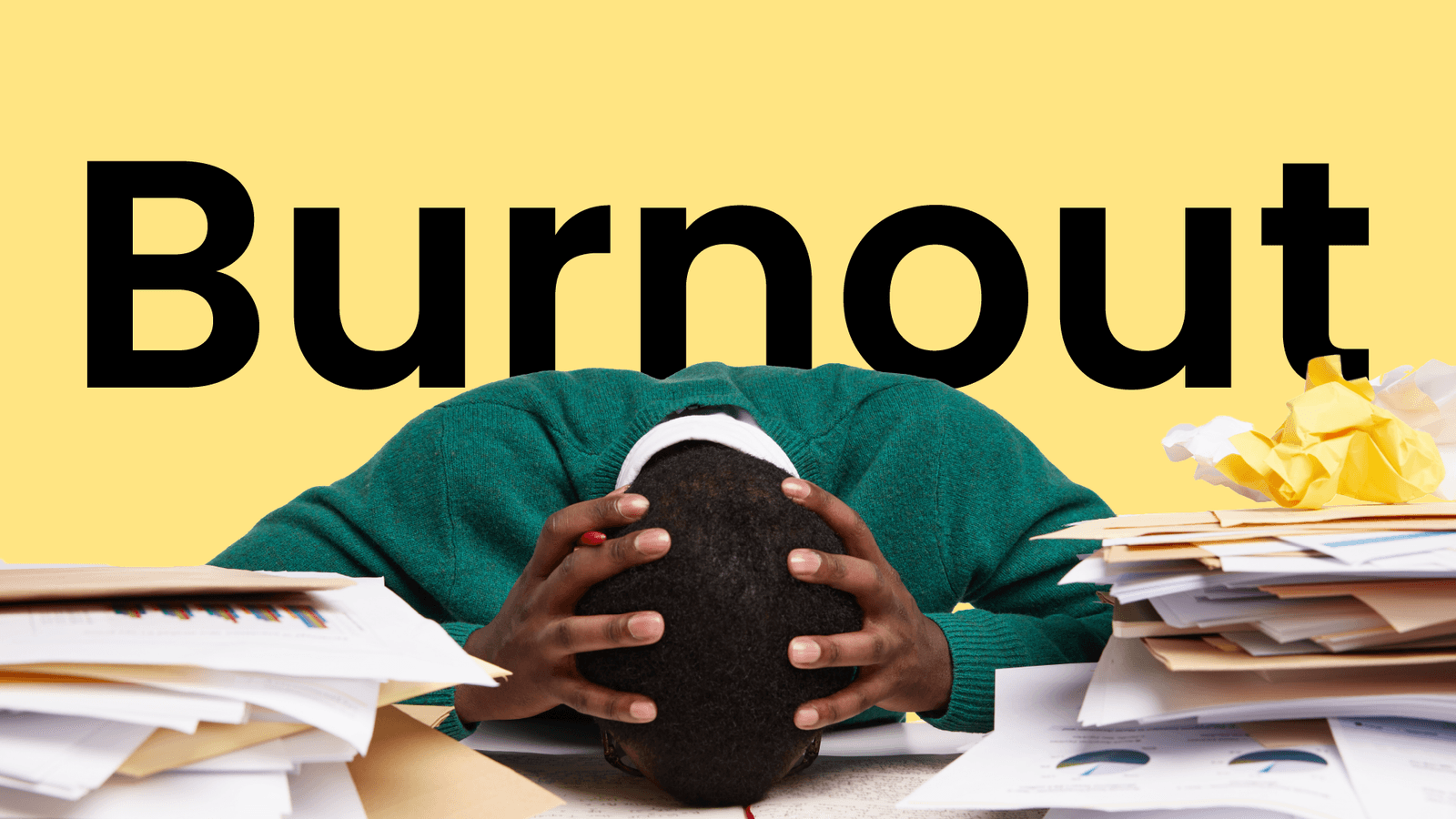
Burnout is far more serious than simply feeling tired after a busy week. It’s a deep state of emotional, mental, and physical exhaustion caused by continuous stress from work, relationships, or daily responsibilities. Recent studies show that over 45% of adults experience burnout symptoms regularly, making it essential to understand how to recover from burnout and apply practical burnout recovery tips. By recognizing the signs early and taking action, you can prevent long-term health issues, regain energy after burnout, and restore balance in your life. This guide explores the best ways to recover from burnout so you can rebuild focus, motivation, and emotional well-being.(WHO Stress Report 2025)
How to Recover from Burnout: Understanding the Signs
Before recovery, it’s essential to recognize burnout symptoms. Burnout isn’t just fatigue; it can manifest as irritability, lack of motivation, difficulty concentrating, and physical symptoms like headaches or digestive issues.
Some common burnout symptoms include:
- Chronic exhaustion, even after sleep
- Feeling cynical or detached from work or relationships
- Reduced performance and motivation
- Mental fog and decreased focus
Quick Tip: Start by journaling your daily mood and energy levels to pinpoint areas of burnout and track progress over time.
Burnout Recovery Tips: Prioritize Self-Care
One of the first steps in recovering from burnout is prioritizing self-care. Taking care of your physical and emotional needs isn’t selfish—it’s necessary for recovery. Self-care can include:
- Adequate sleep and rest
- Nutritious meals and hydration
- Taking short breaks during work
- Engaging in hobbies or relaxing activities
Practicing self-care consistently helps restore energy levels and reduces stress hormones, allowing your body and mind to heal. Even small daily adjustments can significantly improve mental clarity and resilience.
Best Ways to Recover from Burnout: Set Healthy Boundaries
Setting boundaries is a powerful burnout recovery tip. Many people experience burnout because they overextend themselves or say yes to too many demands.
Practical steps include:
- Limit work hours and avoid excessive overtime
- Communicate your availability clearly to colleagues and loved ones
- Say no to non-essential commitments
- Delegate tasks whenever possible
Healthy boundaries reduce emotional strain and create space for rest and personal growth, essential for overcoming burnout.
Overcoming Burnout: Practice Mindfulness and Meditation
Mindfulness is one of the most effective ways to recover from burnout. By focusing on the present moment, you can reduce stress, improve emotional regulation, and regain mental clarity.
- Try deep breathing exercises for 5–10 minutes daily
- Practice guided meditation using apps like Headspace or Calm
- Incorporate mindful breaks during work, such as stretching or short walks
Mindfulness encourages self-awareness, allowing you to notice early signs of stress before they escalate.
How to Recover from Burnout: Physical Activity and Exercise
Regular exercise is a proven burnout recovery tip. Physical activity releases endorphins, which improve mood and energy. You don’t need intense workouts—consistency is key.
Examples include:
- Daily 20–30 minute walks
- Yoga or Pilates to enhance flexibility and reduce tension
- Light cardio or home-based workouts
Exercise not only improves physical health but also supports mental recovery by reducing anxiety and promoting better sleep.
Regain Energy After Burnout: Reconnect with Hobbies and Passions
Burnout often leads to emotional disengagement and loss of interest in activities once enjoyed. Reconnecting with hobbies helps reignite joy and restore balance.
- Identify activities that bring satisfaction (painting, reading, cooking, etc.)
- Dedicate at least 30 minutes daily to a favorite hobby
- Join clubs or communities with shared interests
Engaging in enjoyable activities reduces stress and strengthens emotional resilience, a key part of overcoming burnout.
Quick Tip: Schedule one “fun hour” daily to focus solely on activities that recharge your mind.
How to Recover from Burnout: Seek Professional Support
Professional guidance can accelerate burnout recovery. Therapists or counselors provide tools to manage stress, process emotions, and rebuild resilience.
- Consider cognitive-behavioral therapy (CBT) for stress management
- Online counseling or support groups offer flexible solutions
- Work with a coach to address workplace-related burnout
- Therapy for burnout helps address underlying issues and prevents future burnout episodes, especially for chronic cases.
Daily Habits for Depression and Burnout Prevention
Developing daily habits is essential to maintain long-term wellness and prevent burnout recurrence. Habits can include:
- Structured sleep routines
- Healthy eating and hydration
- Time management and prioritization
- Mindful relaxation breaks throughout the day
Consistency in daily habits strengthens emotional resilience, improves energy, and reduces stress accumulation.

How to Know If You’re Still Experiencing Burnout
Monitoring your recovery progress is important. Even after implementing recovery strategies, you may notice lingering burnout symptoms:
- Persistent fatigue or lack of motivation
- Emotional outbursts or irritability
- Reduced concentration or productivity
Recognizing ongoing burnout allows you to adjust recovery strategies and, if needed, seek professional support before symptoms worsen.
How to Recover from Burnout: Final Thoughts and Key Takeaways
Recovering from burnout takes time, but with practical burnout recovery tips, you can restore energy and focus. How to recover from burnout involves self-care, setting boundaries, and mindful habits to protect your mental and physical well-being. Start small, stay consistent, and seek support if needed for lasting results.
FAQs About Burnout Recovery
How long does it take to recover from burnout?
Recovery varies depending on severity, but most people notice improvements within 4–8 weeks of consistent strategies.
Can daily exercise really help overcome burnout?
Yes, even moderate exercise releases mood-enhancing chemicals that reduce stress and improve energy.
Should I seek therapy for mild burnout?
Professional support is beneficial even for mild burnout to prevent progression and develop long-term coping strategies.
What are the best ways to reduce daily stress?
Mindfulness, journaling, exercise, boundary-setting, and hobbies are highly effective ways to reduce daily stress.
How can I regain energy after burnout quickly?
Prioritize sleep, nutrition, short breaks, and enjoyable activities. Combining these with mindfulness and therapy accelerates recovery.