
Depression is not simply a matter of feeling sad or weak. Modern research shows that it is deeply connected to how the brain functions. The neuroscience of depression explains how changes in brain structure, chemistry, and neural communication influence mood, motivation, and emotional balance.
According to recent brain science research, depression affects how different areas of the brain communicate with each other. These changes impact thoughts, emotions, energy levels, and decision-making. Understanding depression from a brain-based perspective reduces stigma and helps people seek the right support.(WHO Stress Report 2025)
In this blog, we explore what brain science reveals about depression, including brain chemistry, neural pathways, and why symptoms persist even when life circumstances improve.
Understanding the Neuroscience of Depression
The neuroscience of depression studies how brain structure and function change in people experiencing depressive disorders. Research shows that depression is linked to disrupted communication between brain regions responsible for emotion, motivation, memory, and stress regulation.
Key brain areas affected include:
- The prefrontal cortex (decision-making and focus)
- The amygdala (emotional processing)
- The hippocampus (memory and emotional regulation)
When these regions stop working in balance, individuals may experience low mood, lack of motivation, and emotional numbness. Depression is not a character flaw—it is a neurological condition that affects brain signaling over time.
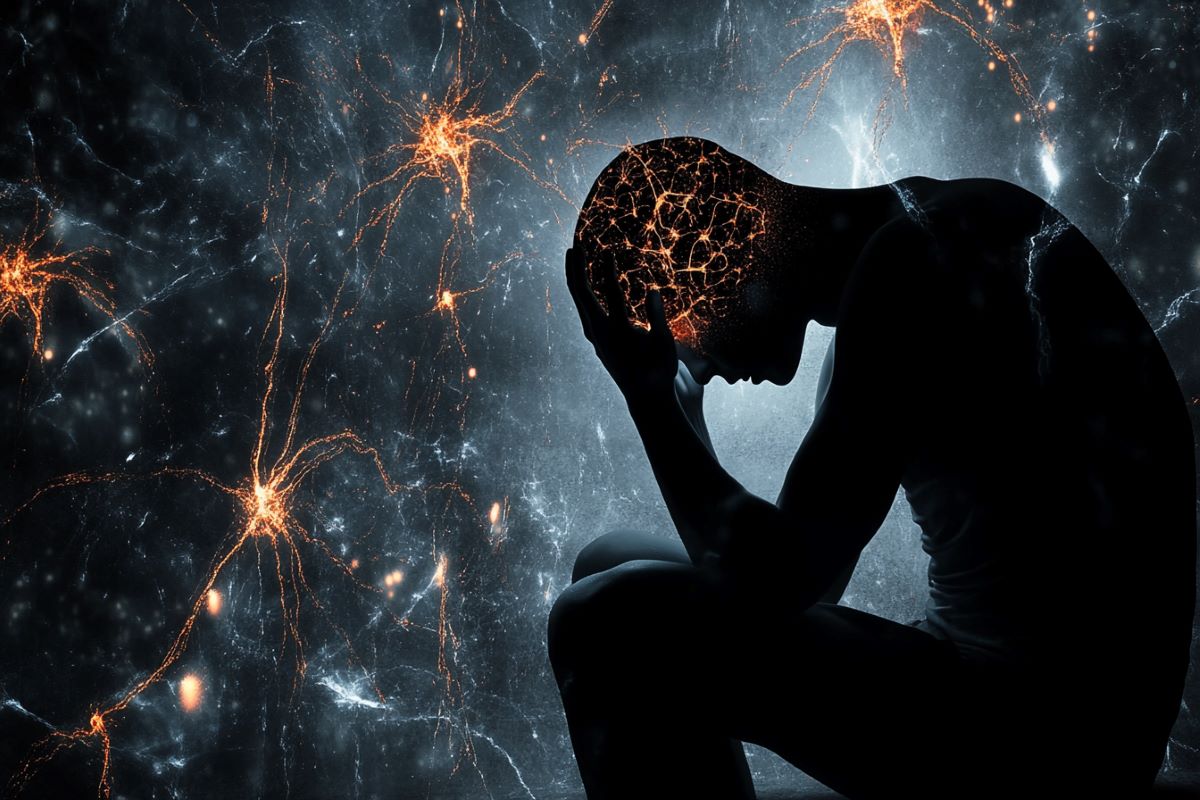
Brain Science Depression: How Mood Is Regulated
Brain science depression research shows that mood is controlled by complex neural networks rather than a single brain chemical. These networks rely on electrical signals and chemical messengers to regulate emotional responses.
In depression:
- Emotional responses become exaggerated or suppressed
- Stress circuits remain overactive
- Positive experiences produce weaker emotional reactions
This explains why people with depression may struggle to feel joy even when things appear “fine” externally. Brain science confirms that depression alters how emotions are processed at a neurological level.
Major Depression Brain Changes Explained
The major depression brain shows measurable differences compared to a non-depressed brain. Imaging studies reveal reduced activity in areas responsible for motivation and increased activity in regions linked to negative thinking.
Common brain changes include:
- Reduced hippocampal volume due to prolonged stress
- Overactive amygdala leading to heightened negative emotions
- Lower prefrontal cortex activity affecting concentration and planning
These changes help explain symptoms such as hopelessness, fatigue, and difficulty making decisions. The brain becomes wired to focus on negative patterns, making recovery harder without proper treatment.
What Causes Depression in the Brain?
Many people ask what causes depression in the brain, and the answer is complex. Depression usually develops from a combination of neurological, genetic, and environmental factors.
Key causes include:
- Chronic stress altering neural pathways
- Genetic vulnerability affecting neurotransmitter balance
- Trauma changing emotional processing circuits
- Hormonal imbalances impacting brain chemistry
Over time, repeated stress signals rewire the brain, making negative thought patterns automatic. This is why depression can persist even after stressful situations end.
For more daily wellness habits, visit our guide
Depression and Brain Chemistry: Beyond Serotonin
The link between depression and brain chemistry goes far beyond low serotonin levels. Modern neuroscience shows that multiple neurotransmitters are involved.
Important chemicals affected include:
- Serotonin – mood stability and emotional regulation
- Dopamine – motivation and pleasure
- Norepinephrine – alertness and energy
- Glutamate – learning and neural flexibility
An imbalance in these chemicals disrupts communication between brain cells. This explains why depression can cause emotional numbness, lack of pleasure, and mental fatigue rather than just sadness.
How Stress Reshapes the Depressed Brain
Chronic stress is one of the strongest neurological contributors to depression. Stress hormones like cortisol damage neural connections when exposure is prolonged.
Effects of stress on the brain include:
- Reduced neuroplasticity (brain’s ability to adapt)
- Shrinking of memory-related regions
- Increased fear-based emotional responses
Brain science depression studies show that long-term stress keeps the brain in survival mode, making emotional recovery slower without intervention.
Neural Pathways and Negative Thinking Patterns
Depression strengthens certain neural pathways while weakening others. Repeated negative thinking forms “default routes” in the brain that automatically activate pessimistic thoughts.
This explains why people with depression:
- Expect negative outcomes
- Replay past failures
- Struggle with self-criticism
The neuroscience of depression confirms that these patterns are learned and reinforced by brain circuitry—but they can also be rewired through therapy and behavioral change.
Can the Brain Heal From Depression?
Yes. One of the most hopeful findings in brain science depression research is neuroplasticity—the brain’s ability to change and repair itself.
Recovery strategies that support brain healing include:
- Therapy (CBT, mindfulness-based approaches)
- Medication when needed
- Regular physical activity
- Adequate sleep and nutrition
- Stress reduction techniques
Over time, healthy habits and treatment help restore balanced brain activity and improve emotional regulation.
Why Understanding Brain Science Reduces Stigma
Seeing depression through the lens of neuroscience shifts the narrative from blame to biology. When people understand that depression involves real brain changes, they are more likely to seek help and show compassion toward themselves and others.
The neuroscience of depression proves that mental health conditions are medical conditions—not personal failures.
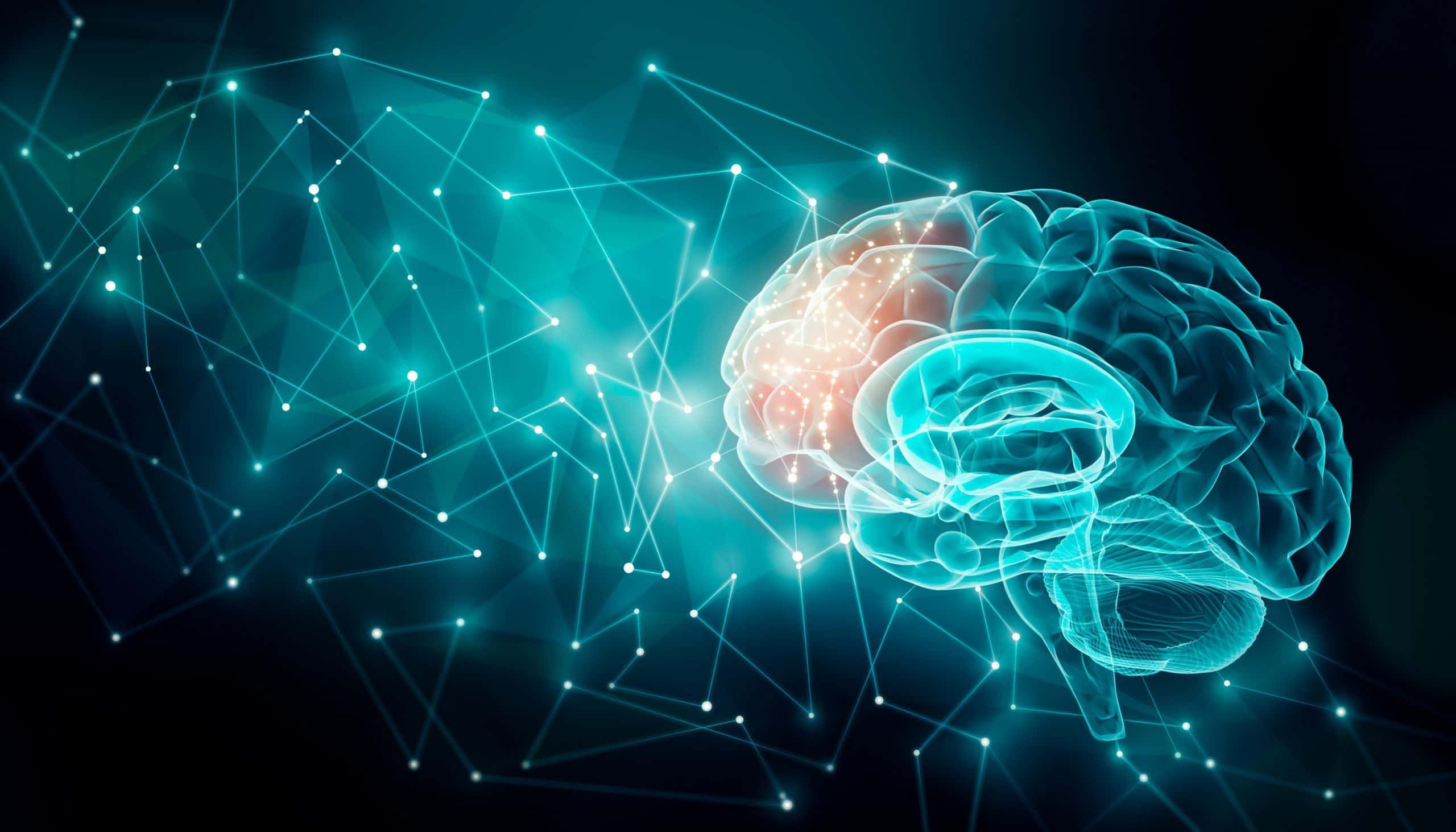
When to Seek Professional Support
If symptoms persist for more than two weeks or interfere with daily life, professional help is essential. Brain-based depression often requires structured treatment to restore healthy neural function.
Early support can:
- Prevent deeper brain changes
- Shorten recovery time
- Reduce relapse risk
FAQs: The Neuroscience of Depression
What is the neuroscience of depression?
It studies how brain structure, chemistry, and neural circuits change in people with depression.
Does depression permanently damage the brain?
No. Brain changes can be reversed with proper treatment and lifestyle support.
What causes depression in the brain?
Chronic stress, chemical imbalance, trauma, and genetic factors all contribute.
How does brain chemistry affect depression?
Imbalances in neurotransmitters disrupt mood, motivation, and emotional regulation.
Is major depression visible in brain scans?
Yes. Imaging shows differences in activity and structure in key brain regions.
Can therapy change the depressed brain?
Yes. Therapy helps rewire negative neural pathways and improve brain flexibility.
Why do antidepressants help some people?
They support chemical balance and improve communication between brain cells.
Conclusion: What Brain Science Reveals About Depression
The neuroscience of depression clearly shows that depression is rooted in real brain changes—not weakness or lack of willpower. From altered brain chemistry to disrupted neural circuits, depression affects how the brain processes emotion, stress, and motivation.
Understanding depression through brain science empowers people to seek timely help, follow effective treatment, and recover with confidence. With the right support, the brain can heal, adapt, and regain emotional balance over time.