
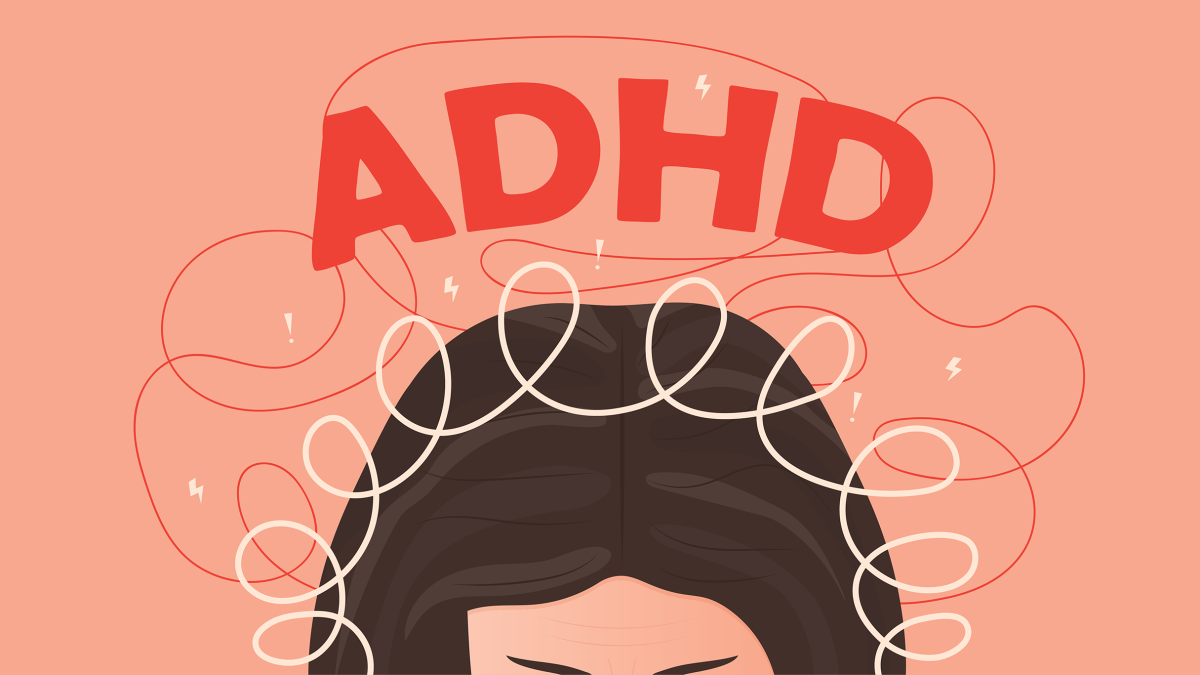
You forget important deadlines. Your mind races at night. You feel restless, overwhelmed, and constantly behind — no matter how hard you try.
So what’s going on? Is it ADHD? Is it anxiety? Or could it be both?
This is one of the most common questions people ask — and one of the most confusing to answer. ADHD and anxiety share many surface-level symptoms, yet they are very different conditions with different causes, different treatments, and different impacts on your daily life.
In this guide, we’ll break down exactly how to tell them apart, what symptoms overlap, and what steps you can take to get real clarity.
Not sure where you stand? Start with our [Free ADHD Self-Assessment] — a structured 21-question screening based on DSM-5 criteria. It takes less than 5 minutes.
Why ADHD and Anxiety Are So Often Confused
Both ADHD and anxiety can make you:
- Struggle to concentrate
- Feel mentally overwhelmed or “foggy”
- Avoid tasks that feel difficult
- Have trouble sleeping
- Feel irritable or on edge
At first glance, these look identical. But the reasons behind these experiences are completely different — and that difference matters enormously when it comes to getting the right help.
What Is ADHD?
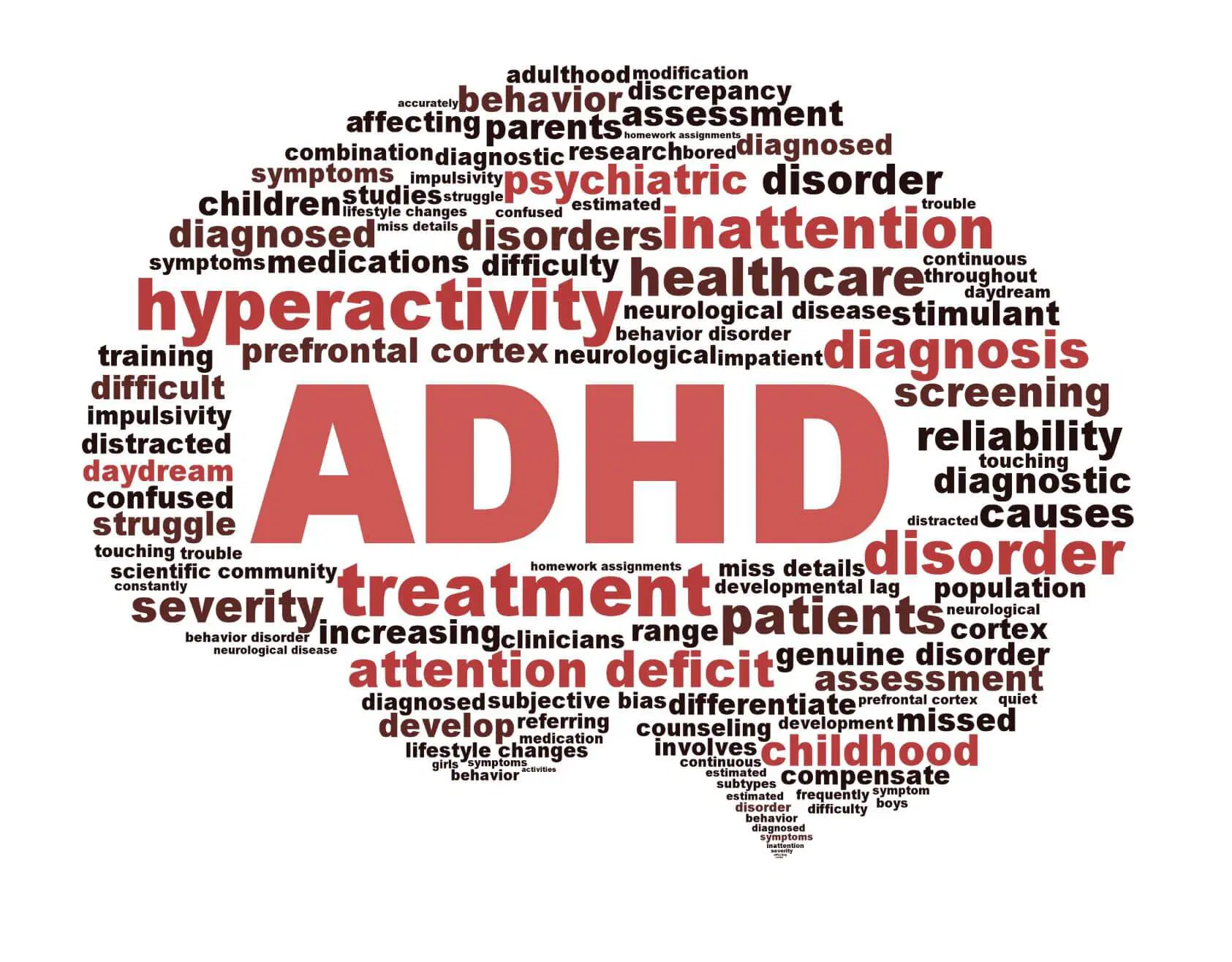
ADHD (Attention-Deficit/Hyperactivity Disorder) is a neurodevelopmental condition that affects how the brain regulates attention, impulse control, and activity levels. It is not a character flaw or a lack of effort — it is a difference in how the brain is wired.
There are three types of ADHD:
- Inattentive type — difficulty focusing, easily distracted, forgetful, disorganised
- Hyperactive-Impulsive type — restlessness, talking excessively, acting without thinking
- Combined type — a mix of both inattentive and hyperactive symptoms
ADHD is present from childhood, though it is often not diagnosed until adulthood — especially in women, who tend to show more inattentive symptoms that are easier to overlook.
Want to understand your ADHD symptoms better? [Take our free ADHD symptom checker] and get an instant breakdown of your inattention, hyperactivity, and executive function scores.
What Is Anxiety?
Anxiety is an emotional and physiological response to perceived threat or stress. While feeling anxious occasionally is normal, an anxiety disorder involves persistent, excessive worry that interferes with everyday life.
Common anxiety disorders include:
- Generalised Anxiety Disorder (GAD) — constant worry about many things
- Social Anxiety Disorder — intense fear of social situations
- Panic Disorder — recurring panic attacks
- Health Anxiety — excessive worry about illness
Unlike ADHD, anxiety is primarily rooted in fear and worry. The brain is scanning for danger — real or imagined.
ADHD vs Anxiety: Symptom-by-Symptom Comparison
| Symptom | ADHD | Anxiety |
|---|---|---|
| Difficulty concentrating | ✅ Yes — mind wanders to interesting things | ✅ Yes — mind stuck on worries |
| Restlessness | ✅ Physical & mental restlessness | ✅ More internal/emotional tension |
| Avoidance | ✅ Avoids boring or overwhelming tasks | ✅ Avoids feared or triggering situations |
| Sleep problems | ✅ Racing thoughts, hard to “switch off” | ✅ Worry keeps you awake |
| Forgetfulness | ✅ Very common — working memory issues | ❌ Less common unless distracted by worry |
| Impulsivity | ✅ Common — acts without thinking | ❌ Rarely; anxiety often causes over-thinking |
| Physical symptoms (heart racing, sweating) | ❌ Uncommon | ✅ Very common — part of the fight-or-flight response |
| Mood swings | ✅ Emotional dysregulation is common in ADHD | ✅ Irritability from constant worry |
| Starts tasks easily but can’t finish | ✅ Classic ADHD pattern | ❌ Anxiety often prevents starting at all |
The Key Difference: Where Does the Problem Come From?
Here is the most important distinction:
With ADHD, concentration problems happen even when you are calm and there is nothing to worry about. You sit down to do a simple task — and your brain simply won’t stay on it. It’s not fear, it’s not worry. Your brain just drifts.
With anxiety, concentration problems happen because you are worried. Your mind is occupied with “what ifs,” worst-case scenarios, and rumination. Remove the worry, and the focus often returns.
Think of it this way:
- ADHD = the brain struggles to stay engaged by default
- Anxiety = the brain is too engaged with the wrong thing (worry)
How Anxiety Can Look Like ADHD
People with anxiety often appear to have ADHD-like symptoms because:
- Constant worry uses up mental bandwidth, leaving little room for focus
- Avoidance of anxiety triggers can look like procrastination
- Sleep disruption from worry causes daytime inattention
- Hypervigilance (always on alert) can resemble restlessness
This is why anxiety is sometimes misdiagnosed as ADHD — especially in adults who were never assessed as children.
How ADHD Can Cause Anxiety
Here’s where it gets complicated: ADHD can cause anxiety.
When you have ADHD and repeatedly:
- Miss deadlines
- Forget important things
- Underperform at work or school
- Feel judged or criticised
…you start to feel anxious about your ADHD symptoms. This is called ADHD-driven secondary anxiety, and it is very common.
Studies suggest that up to 50% of adults with ADHD also have an anxiety disorder. The two conditions frequently co-exist — which is exactly why professional assessment is so important.
Can You Have Both ADHD and Anxiety?
Yes — absolutely. This is called a comorbid diagnosis, and it is more common than most people realise.
When both conditions are present:
- Symptoms tend to be more severe
- Daily functioning is significantly more impacted
- Treatment needs to address both conditions simultaneously
If you suspect you may have both, this makes it even more important to get a proper professional evaluation rather than trying to self-diagnose.
Self-Test: ADHD or Anxiety?
Ask yourself these questions honestly:
Signs pointing more toward ADHD:
- I lose focus even when I want to pay attention and there’s nothing to worry about
- I was forgetful and disorganised as a child, not just as an adult
- I frequently lose things — keys, phone, belongings
- I have sudden bursts of intense focus on things I find interesting (hyperfocus)
- I interrupt others or say things without thinking
Signs pointing more toward anxiety:
- My difficulty concentrating is mostly when I’m stressed or worried
- I overthink decisions and imagine the worst possible outcomes
- I feel physical symptoms — rapid heartbeat, chest tightness, sweating — when anxious
- I have specific things I worry about (health, relationships, finances)
- I avoid situations because of fear, not boredom
Signs that suggest both may be present:
- All of the above apply to me
- I have ADHD symptoms and I also experience persistent, excessive worry
- My ADHD symptoms make me anxious about failing
Get a clearer picture with our [Free ADHD Self-Assessment] — structured, clinician-informed, and completely free. It will help you identify whether your symptoms align with ADHD patterns.
What Should You Do Next?
Step 1: Track your symptoms
For 1-2 weeks, note when your concentration, restlessness, or avoidance happen. Are they linked to specific worries or situations? Or do they happen randomly, without any obvious trigger?
Step 2: Take a structured screening
A validated screening tool won’t give you a diagnosis — but it helps you understand your symptom patterns before speaking to a professional.
👉 [Take our Free ADHD Self-Assessment] — based on DSM-5 criteria and the Adult ADHD Self-Report Scale.
If you want to screen for anxiety too, you may also want to take our [Free Anxiety Test].
Step 3: Speak to a professional
Only a qualified mental health professional — a psychiatrist, psychologist, or trained GP — can formally diagnose ADHD or an anxiety disorder. Bring your symptom notes and any screening results with you. This will make the conversation much more productive.
Step 4: Don’t self-treat
It can be tempting to assume you know which condition you have and look for remedies online. But treating anxiety when you have ADHD (or vice versa) can make things worse. Get a proper assessment first.
Treatment: ADHD vs Anxiety
Understanding which condition (or both) you have matters because treatments differ significantly.
ADHD treatment typically includes:
- Stimulant or non-stimulant medication (e.g., methylphenidate, atomoxetine)
- Cognitive Behavioural Therapy (CBT) adapted for ADHD
- ADHD coaching and organisational strategies
- Lifestyle changes — sleep, exercise, routine
Anxiety treatment typically includes:
- CBT — the gold standard for anxiety disorders
- Medication (e.g., SSRIs, SNRIs)
- Mindfulness-based therapies
- Exposure therapy (for phobias and social anxiety)
When both are present: Treatment is usually sequenced (often treating anxiety first) or integrated — your clinician will guide this.
FAQs
Q: Can anxiety cause ADHD-like symptoms?
Yes. Chronic anxiety can create concentration problems, restlessness, and forgetfulness that closely resemble ADHD. This is why professional assessment is essential — a clinician will assess whether symptoms were present before anxiety developed.
Q: Is there an ADHD and anxiety quiz I can take?
You can use our [Free ADHD Self-Assessment] to screen for ADHD symptoms specifically. For anxiety, see our [Free Anxiety Test]. These tools won’t diagnose you, but they will help you understand your symptoms before speaking to a professional.
Q: How is ADHD diagnosed differently from anxiety?
ADHD diagnosis typically involves a clinical interview, behavioural rating scales, and a review of childhood history — because ADHD symptoms must have been present before age 12. Anxiety disorders are diagnosed based on current symptom patterns and their impact on functioning.
Q: Can ADHD medication help with anxiety?
It depends. In some people with ADHD, treating the ADHD reduces secondary anxiety. In others, stimulant medication can worsen anxiety. This is something to discuss carefully with your prescribing doctor.
Q: I’ve always been a worrier. Could it actually be ADHD?
Possibly. Many people — especially women — go undiagnosed with ADHD for years and are instead told they have anxiety or depression. If your worry is mostly about forgetting things, underperforming, or being judged for your mistakes, this could be ADHD-driven anxiety rather than a primary anxiety disorder.
Final Thoughts
ADHD and anxiety are two distinct conditions that can look remarkably similar on the surface. The key is understanding why your symptoms are happening — not just what they are.
If you’re unsure, the best first step is a structured self-assessment followed by a conversation with a qualified professional. You don’t have to figure this out alone.
Ready to get clarity? [Take our Free ADHD Self-Assessment] — 21 questions, clinician-informed, instant results. It’s completely free and takes less than 5 minutes.
This article is for informational purposes only and does not constitute medical advice. Always consult a qualified healthcare professional for diagnosis and treatment.